
BBC Sport's coverage of the European Athletics Championships reached 17.2 million people across TV and iPlayer, with a peak audience of 4.2 million for the dramatic men's 4x400m final, as organisers Athletic Ventures confirmed Birmingham 2026 as the biggest European Championships in the event's history.
The numbers behind Birmingham 2026 have been laid bare this week and the standout figure is unmistakably the television audience. BBC Sport's coverage of the European Athletics Championships reached a total of 17.2 million people across TV and iPlayer, with viewers collectively spending 63 million hours watching the action unfold over the seven days of competition.
The single biggest moment, unsurprisingly, came on the final night. The men's 4x400m final - in which Britain were narrowly denied by Italy - produced a five-minute peak audience of 4.2 million on BBC.
The appetite extended well beyond the television set. BBC iPlayer logged 8.1 million requests across the week, the BBC Sport website received 5.2 million on-site clip requests, and BBC Sport's content generated 46 million social video plays in total, with a further 2.4 million views on the broadcaster's YouTube channel. Birmingham 2026's own digital channels added to that picture, generating more than 132 million impressions and 6.2 million engagements during the event week.
Alex Kay-Jelski, director of BBC Sport, said: "The European Athletics Championships once again demonstrated the power of live sport to bring audiences together and showcase homegrown sporting talent. With strong audiences across iPlayer, TV, audio, digital and social media platforms, fans were there for every record-breaking moment and world-class performance as athletics took centre stage on home soil."
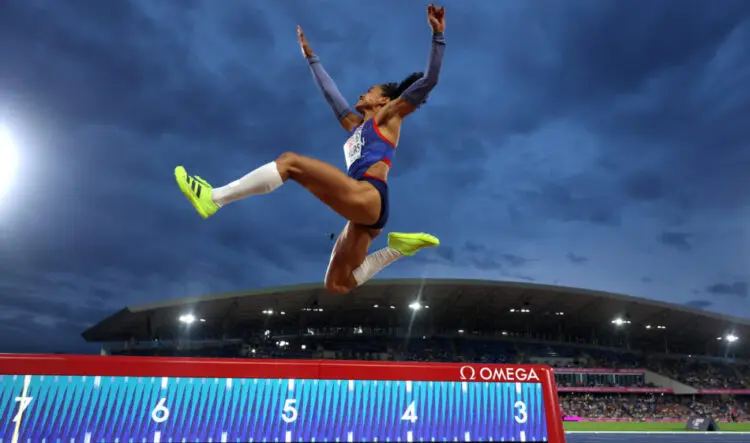
Birmingham 2026 was the biggest edition of the championships ever staged, with 1645 participating athletes, 50 events and 157 medals on offer, and the action on the track and field produced two world records, four European records, 11 championship records and 40 national records. A total of 218,135 spectators attended across the week, including three successive sold-out evening sessions by the closing stages - a turnaround from the sparser crowds and ticket-price criticism that had dogged the opening days.
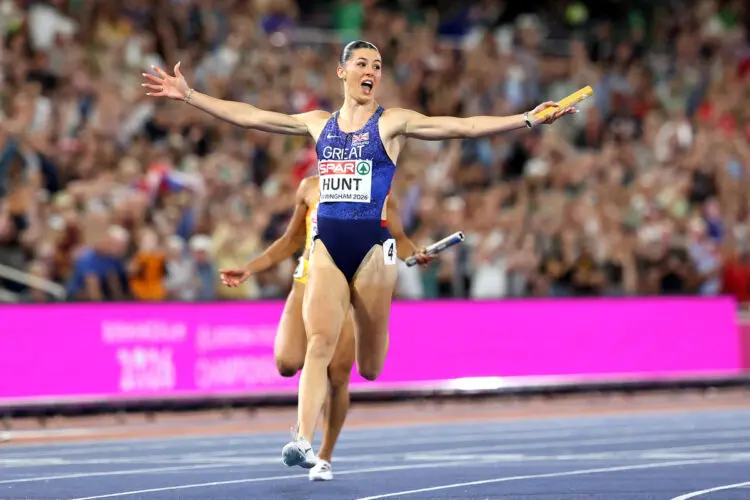
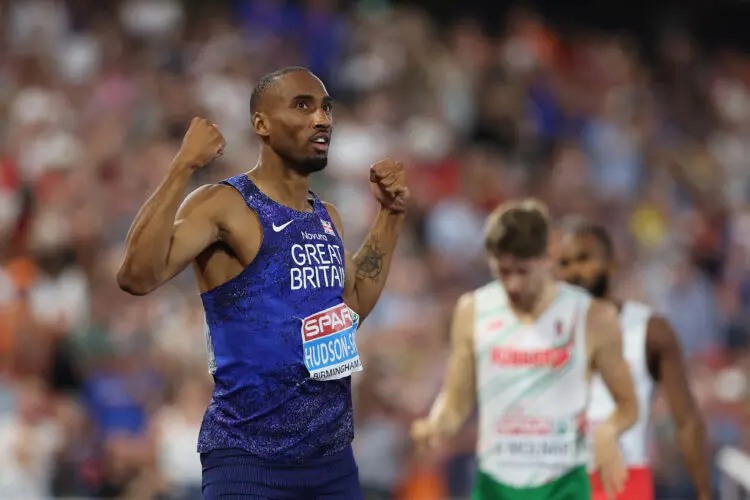
Much of the audience's attention, unsurprisingly, was drawn by the home team's own performances. Amy Hunt made history as the first athlete to win four gold medals at a single European Athletics Championships, Georgia Hunter Bell claimed gold in the women's 1500m, and Dina Asher-Smith became the most decorated athlete in European Championships history. Great Britain and Northern Ireland matched their best-ever gold medal haul with nine golds and 19 medals overall, finishing second in the medal table.
Beyond the medals, organisers pointed to a genuinely novel financial model behind the championships. Birmingham 2026 is the first European Athletics Championships in which the "funder of last resort" was a company rather than a government, with Athletic Ventures - the joint venture between UK Athletics, London Marathon Events and The Great Run Company - carrying the full financial risk for the event rather than the traditional model of government or host-city underwriting. Organisers say the approach, built on careful cost control and ticketing revenue, means there will be no further calls on public money, with any surplus reinvested into developing the sport and inspiring participation across the UK.
European Athletics President Dobromir Karamarinov described Birmingham 2026 as "a truly historic European Athletics Championships," praising the local organising committee for delivering "seven memorable days of athletics." He added: "Your hard work, expertise and innovation have touched and inspired millions of people across Europe and our sport is bigger and better today because of you."
Jack Buckner, CEO of UK Athletics and co-founder of Athletic Ventures, added: "The UK's first European Championships in Birmingham has truly raised the bar for the event, setting new records with the biggest event in the Championships' history, outstanding performances, a sell-out weekend, huge TV audiences and massive fan engagement on social and digital channels," he said, thanking European Athletics, UK Sport, the Department for Culture, Media and Sport, Birmingham City Council, West Midlands Combined Authority and the 1438 volunteers who worked across the week.
Hugh Brasher, CEO of London Marathon Events and fellow Athletic Ventures co-founder, called it proof of concept for the wider venture: "This is a new way of delivering mega events and the huge success of Birmingham 2026 demonstrates what Athletic Ventures can do at international Championships level." Paul Foster, CEO of The Great Run Company, pointed to the participation side of the week, with more than 5,000 people taking part in the Unity Challenge 1K and 5K, around 20% of championship attendees being children, and more than 150 schools involved in the "Beyond" social impact programme, alongside 39,000 visitors to the Champions Square fan zone across its four days.
UK's bid, led by Athletic Ventures, to bring the World Athletics Championships back to London in 2029 enters its final weeks, and the broadcaster central to this week's huge reach - the BBC - already holds the UK rights to that event too, should the bid succeed. Together with the record-breaking London Athletics Meet earlier this summer, organisers believe Birmingham 2026 provides further momentum behind that push to bring the world's greatest athletes back to the London Stadium for the first time since 2017.