Katharine Merry on the summer of 2026

Katharine Merry begins our review of the Commonwealth Games and European Championships by looking at what worked – and what didn’t – at both championships.
I must admit I had a bit of a lump in my throat on the final night of the European Championships in Birmingham. As a Birchfield Harrier, the Alexander Stadium means a lot to me and I had been co-commentator there alongside Geoff Wightman for the whole of that eventful week. The fact that the curtain was coming down in style with a full house and lots of medal-winning performances really resonated with me.
The event had also come hot on the heels of the Commonwealth Games so there had been a lot to take in in a short space of time. Having now had a little bit of time to digest it all, there are a lot of parallels that could be drawn between Glasgow 2026 and Birmingham 2026 – both good and bad.
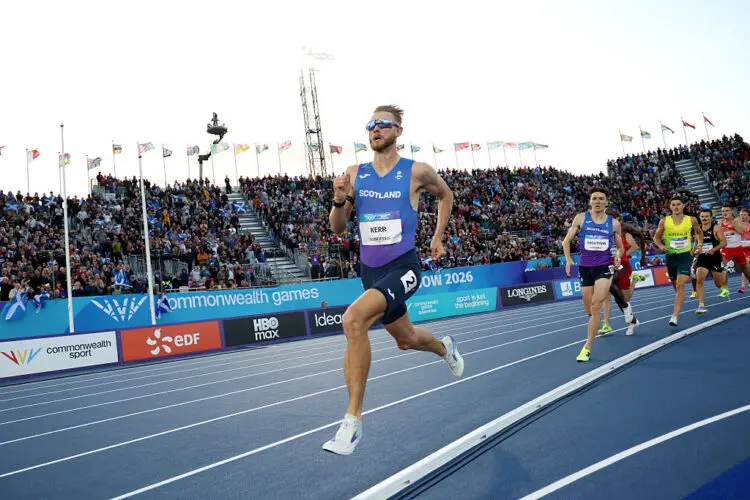
Firstly, there were flashes of brilliance in both of the championships. The integration of the para athletics and able-bodied events is a big thing and that stood out to me for Glasgow – it worked seamlessly. Then there was Josh Kerr having to get his elbows out to win the mile in front of his home crowd, all with the Proclaimers playing in the background.
Birmingham also had standout moments that everyone can point to, whether it was Matt Hudson-Smith winning on his home track or that outstanding women’s 800m final. My overall impression of both championships was really positive and the back-to-back nature of them was great for the sport. With Josh getting the ball rolling with his world record in London on July 18, through to the end of the European Championships, athletics was hitting the headlines for the best part of a month.
But it wasn’t all good news. One of the big talking points about the Commonwealth Games was that it wasn’t shown live on the BBC (apart from the Scottish channel BBC Alba that featured only Gaelic commentary). I was in Glasgow working for TNT Sports, who were awarded the rights, but I understand why there was so much frustration over the fact that the event wasn’t free-to-air.
It’s a simple truth that not being on the BBC meant there were fewer eyeballs on it – the casual viewer can’t just happen to come across it when it’s behind a paywall – and it’s so important for the sport to be able to reach as many people as possible.
There is a lot that goes on behind the scenes to affect these decisions that people aren't fully aware of, myself included, and it's always more complicated than it seems. But the bottom line for me is that, if so many people wanted to see it and the BBC wanted to show it, then you’ve got to put it on the Crown Jewels list. You've got to make it untouchable, like Wimbledon and the Olympics. If people are that desperate to see it, you have to make sure it can't be taken away and put behind a paywall. But, given how much doubt surrounds the very future of the Commonwealth Games, then I can’t see that happening at all.
Ticket pricing and marketing was another issue that came up in Glasgow and it was a great pity not to see Scotstoun welcoming more people through its doors. The number of empty seats was a hot topic in Birmingham for the first few days, too, and to me the attention and the upset it caused were entirely justified.
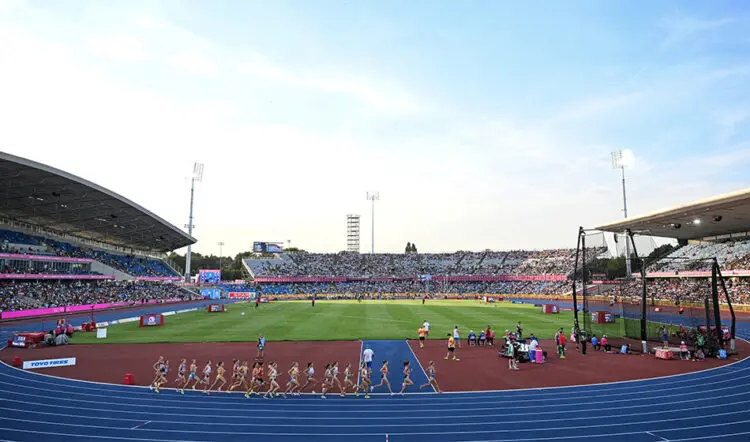
We had been given the impression that ticket sales for the Alexander Stadium were pretty good throughout the whole championships and obviously that didn't transpire to be the case in the first few days. It was a surprise to a lot of people.
Yes, there were cheaper tickets available but that message didn’t always seem to get through to the public. You’ve got to make it simple and I don’t think that was done. Lots of questions will be asked, and I think there are lots of lessons to be learned going forward in terms of how to pitch events in the summer holidays during a cost of living crisis.
You’ve also got to keep banging the drum that the event is on in the first place. I have friends and family in Birmingham who didn't even know it was on. You have to look at the way that you market an event any time, but especially in the summer when people are away on holiday. And the people in the actual area where it's on have to know. It wasn’t perfect.
And neither was the qualifying format being used for the sprints events. The top-ranked athletes on times were given a bye through round one, rather than the usual format of every single athlete having to run the opening heats.
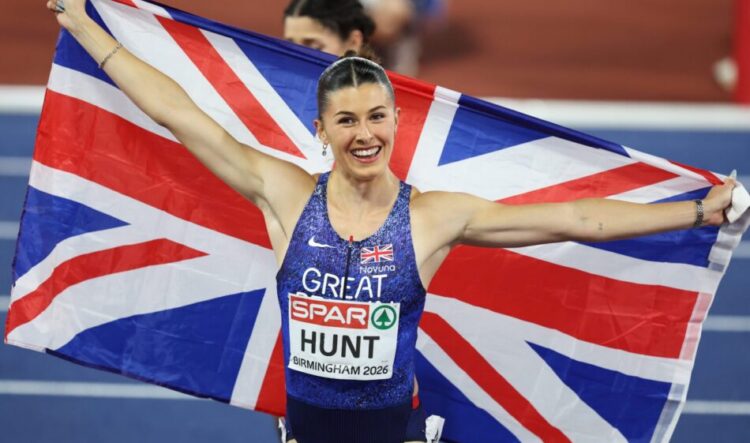
On one hand, that schedule meant Amy Hunt could go for four gold medals at the Europeans, but do I like it? No. I think everybody should come to the championships on a level playing field and I'm a fan of adding, not taking away.
I don't have an issue with it when you go to a major championship and there are preliminary rounds before the first round proper. It gives smaller nations an opportunity. But that's still adding, and you're not losing anything.
With the byes, the fans certainly lose something. They have paid their money and are expecting to see the bigger names but, as one of the people who had to explain to the crowd that those bigger names weren’t joining until the semi-final stages, you could look around the stadium and see people going: "Oh, really? I didn't know that.”
The sport needs to show its assets as much as it can and I really don’t see the positives in this system. I think the majority of athletes, past or present, will say the same. It’s all very well for people to say: “Well, the best people would have got through anyway,” but it doesn't work like that and the system is unfair. It would not surprise me if it’s something that gets looked at because I don’t think it was particularly enjoyed by many.
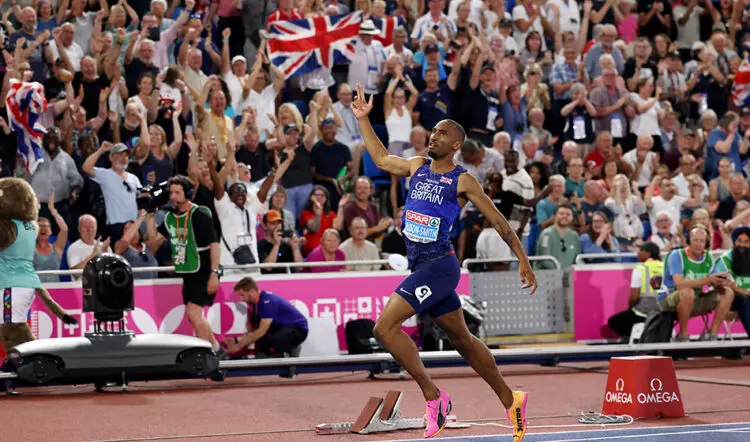
But back to those flashes of brilliance and none was more brilliant to me than Matt Hudson-Smith winning his third European 400m title. Given that the championships were being hosted on the track where he grew up, and there was a temporary stand with his name on it, he was under a lot of pressure to perform. But he delivered and, let’s be honest, him being beaten into second place in the semi-final had made a lot of people twitchy.
I know a lot was made of the fact that he was then drawn out in lane nine and how that made life more difficult for him because he was effectively running blind, unable to see anyone on his inside, but it didn’t seem to bother him and, to be honest, it shouldn’t make a difference. To me, the importance of the lane draw is one of these myths that has been allowed to build up but I’ve seen major races won from inside to outside, from the home straight of the 100m to a 400m or a 400m hurdles.
You run your own race, not anyone else’s. Ill-disciplined or inexperienced athletes might have an issue with it but Matt didn’t. Instead, he ran with discipline and maturity.
In Glasgow, Josh was also under pressure but he did the same before unleashing the finish that left the competition trailing and him waving to the crowd before he had even finished.