What's next for Josh Kerr - and the Commonwealth Games?

Glasgow 2026 had its faults but, with moments like the men's mile, did well in keeping the Commonwealth show on the road. Now comes the question of what might lie in store for the event, as well as the man who sprinkled some stardust on the Scotstoun track.
“How were the Commonwealth Games?”
It’s a question I’ve been asked a number of times by friends and family since the 2026 edition – revamped, stripped back and downsized – came to a close in Glasgow on Sunday evening.
Even now, I’m still struggling to come to a definitive conclusion. A phrase used by one of my media colleagues perhaps summed it up best. “It’s just enough,” he said, meaning that there were some very good stories to be told and moments to be enjoyed, even though the glamour and weight of other major championships – not to mention a long list of the biggest stars – might have been missing.
It must be said that Glasgow did a very fine job of not just keeping the Commonwealth show on the road but ensuring its very existence, stepping in late when the state of Victoria decided that the bill for hosting it all was going to be far too high.
There is an irony to the fact that, of all the nations, it was Australia who took it all incredibly seriously in Glasgow, making sure their big guns were taking part. There’s a reason why they swept to such great success on the track and in the field at Scotstoun.
The venue has never looked better and there were definite echoes of Alexander Stadium at the 2022 Games, just on a smaller scale. The fact that the temporary stands at each end were left uncovered, in the midst of a Scottish summer, was always going to be a gamble.
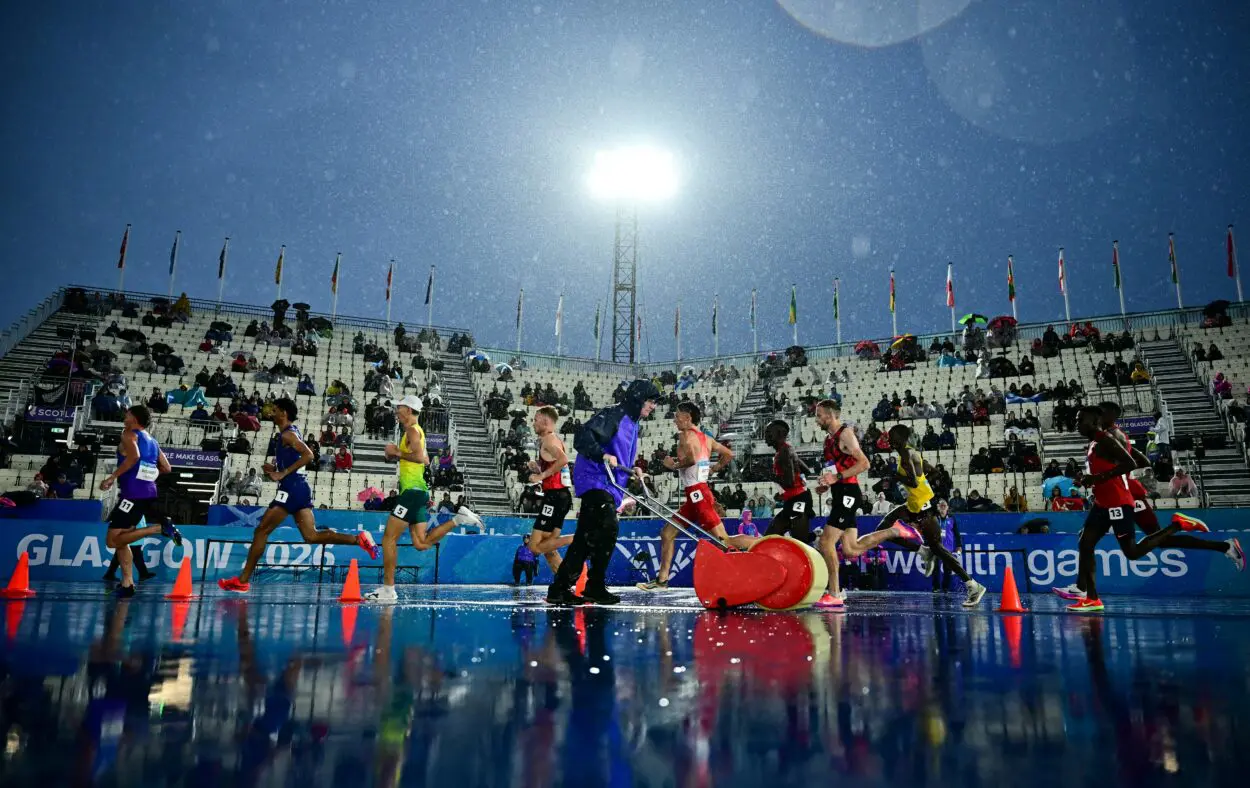
In the weeks leading up to the Games, like much of the rest of the UK, Glasgow had enjoyed a lengthy spell of unbroken sunshine and warm temperatures. That all came to a shuddering halt just as the starting gun was fired.
No one who was there on the second night of the athletics, when the rain battered the brand new blue track and the volunteers in charge of the “squeegees” produced heroics to make the women’s high jump competition possible, will forget it in a hurry.
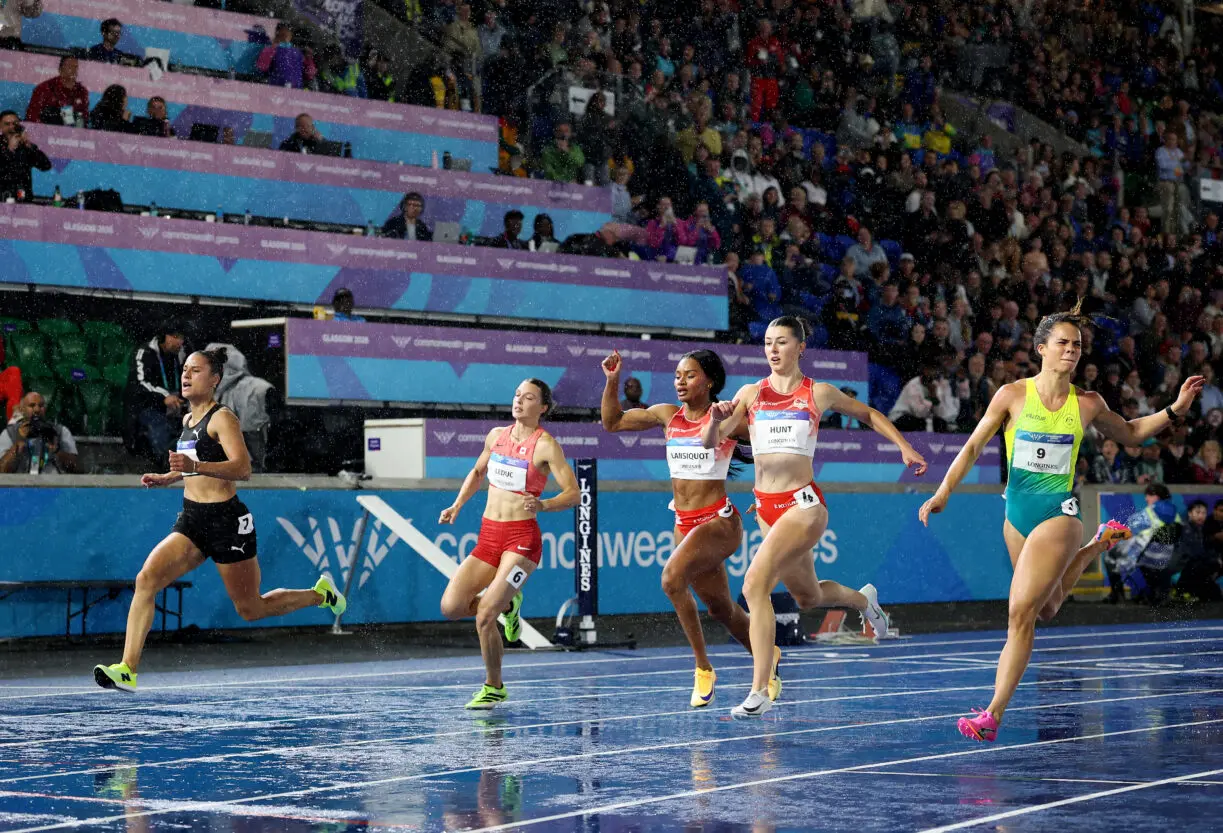
But they won’t forget the extraordinary 100m finals that took place that evening, as the sprinters flew through the flood, either. Yes, there were some sessions that could best be described as being thin, but there were also some pieces of brilliance to enjoy. The shame is that more people didn’t see them – either in person or on TV.
Even during the final night “sell-out”, the empty seats were still evident and, though the crowds were generally healthy, at no other time during the week did Scotstoun come close to its near-11,000 capacity. The lofty ticket prices clearly put people off, while the complaints we received at AW around accessing the TV coverage were numerous.
Whether it was tracking down BBC Alba, and watching it all with Gaelic commentary, or navigating the vagaries of a TNT Sports subscription, viewers really had to go looking for it or pay for it. To attract the more casual audience, the process of tuning in needs to be as simple as possible. In this case, there was far too much work involved.
The lasting impression, though, is one of positivity and that the Commonwealth Games has at least been given the chance of having a future, whatever shape or form that might take. The baton has now been passed to Ahmedabad in India for the centenary Games in 2030 to answer the question of what comes next.
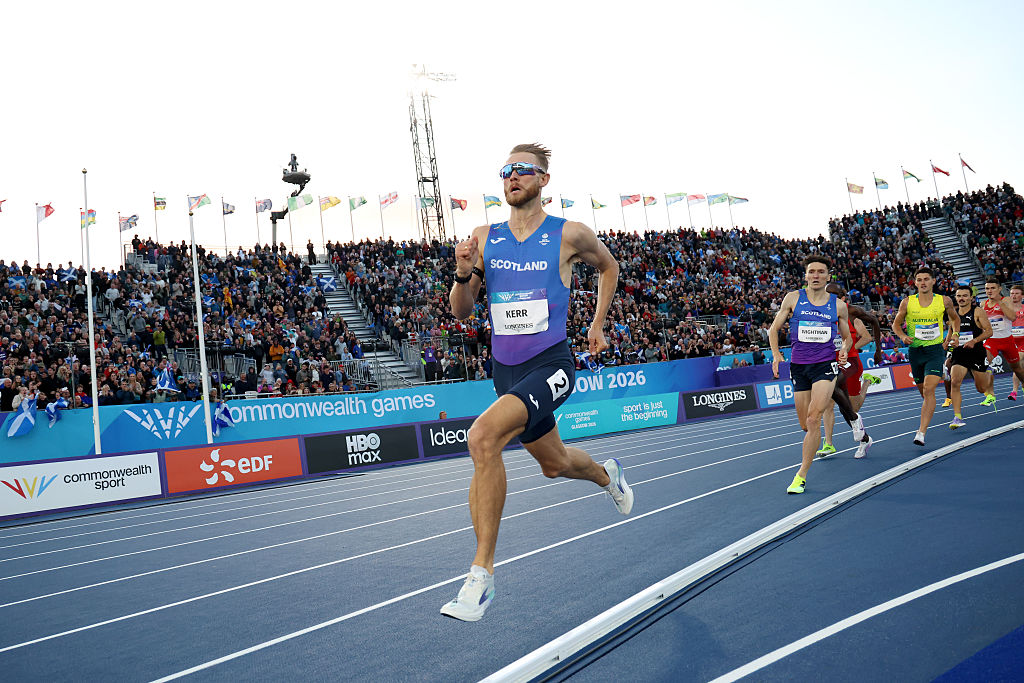
That is a query that Josh Kerr, the man who made sure these Games finished on a particularly high note, has also been fielding since he crossed the finish line at Scotstoun after a performance of fight, finesse and finishing firepower to lay waste to his opponents in the men’s mile.
What a fortnight it has been for Scotland’s star man, who broke the world record for the fabled distance in London and then put on a show for the home crowd to savour in a stadium that played a key role in his formative years. Noises about him ending up on the BBC Sports Personality of the Year shortlist are growing louder.
The relentless hard work and attention to detail that he has shared online created a window of opportunity he has truly capitalised on and used to prove that he is ready for anything. There’s a huge difference between an all-out time trial and the physicality of a cagey championships final where keeping your wits about you and your elbows out is the name of the game, yet the former 1500m world champion showed himself to be perfectly comfortable with either.
He spoke of “slowing down” to enjoy his podium moment in Glasgow but it wasn’t long until he found himself having to consider what comes next. Kerr admitted there is regret at not competing at the upcoming European Championships in Birmingham, but added: “I'm not someone that can do it all. You have to pick and choose your battles. You got some of the stars not coming here and they want to go to the Euros, and I get that. But some of my best competition is here [in Glasgow].
“I want to race against the best, and the Commonwealth Games means so much to me, but I have to pick and choose, and I had to drop one of them. The Europeans just ended up being that one.”
Instead, we may next see Kerr going for the 1500m world record at the Zurich Diamond League at the end of this month, as well as competing at the Ultimate Championship in mid-September. But he and his team have been fond of using the phrase “flying pretty close to the sun” since London, so there is much to consider.
“I think that's the one we're obviously going to go for,” he said of Hicham El Guerrouj’s mark of 3:26.00 that has stood since 1998. “But I need to respect what the body's capable of. I'm a human being at the end of the day.
“I'm going to be honest and open about it. I'm going to sit down and have a meeting with my coaching staff and see what's possible for the rest of the season. I feel okay, but this is taking a big toll for sure. I'm fighting fit, but I want to respect how difficult this last couple of weeks has been. So I'll be honest whenever we come up with that plan.”
Those tasked with continuing the Commonwealth Games’ evolution have some big decisions to make, too.