Five Great South Run moments that helped shape a city classic

For 35 years, the Great South Run has attracted world champions, Olympic medallists, marathon legends and emerging stars. What began as an ambitious addition to the British road running calendar has developed into one of the sport's most recognisable events, with the unique combination of historic dockyards, naval heritage and exposed coastal roads producing a race unlike any other.
As Portsmouth marks 100 years of city status, we revisit five of the defining elite stories from the history of the Great South Run.
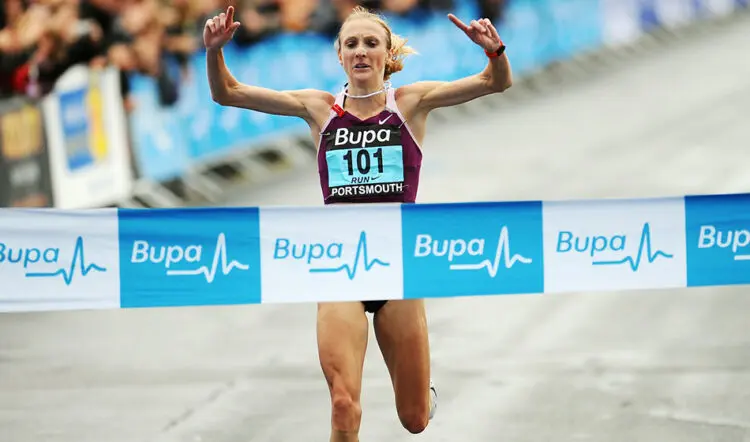
Radcliffe's reminder
The greatest athletes rarely follow straightforward paths.
When Radcliffe arrived in Portsmouth in October 2008, she was still from a frustrating Olympic marathon experience in Beijing. Questions lingered over how much of the former world-record holder remained.
The answer came swiftly. In difficult conditions, Radcliffe ran 51:11 to claim victory and break a British 10-mile record that had stood for 17 years. Reporting at the time described it as a performance that restored confidence after a difficult season and offered a glimpse of the athlete who had dominated women's marathon running for much of the previous decade.
What followed only enhanced the significance of the run. Seven days later she won the New York City Marathon. Viewed in hindsight, Portsmouth became an important staging post in one of the most impressive late-career performances of Radcliffe's career.
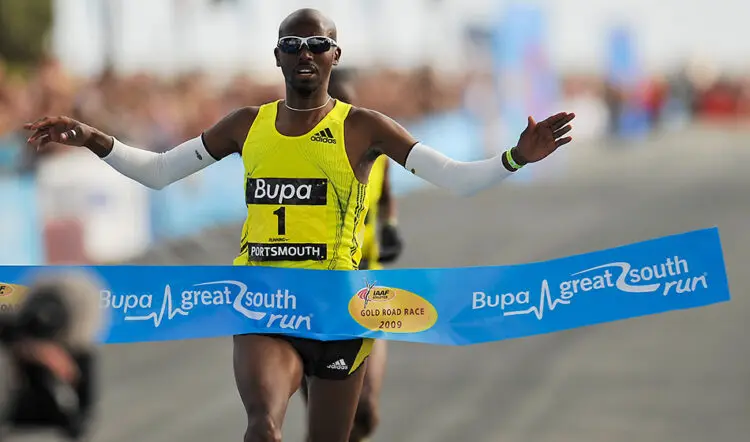
The afternoon Mo Farah arrived
Before Olympic doubles, world titles and mainstream celebrity came the road racer.
The 2009 Great South Run offered an early indication of the competitive instincts that would eventually make Mo Farah Britain's most successful distance runner.
The race itself was far from straightforward. Farah lost ground early and, at one stage, appeared to be out of contention as South Africa's Mokoka and former world marathon champion Luke Kibet moved clear.
Yet the British athlete gradually fought his way back into contention before unleashing a trademark finish in the closing stages.
The winning margin was only a second, but the significance was much greater. Farah became the first British man to win the race since 1996 and demonstrated a tactical resilience that would become familiar to athletics fans over the following decade.
For Portsmouth spectators, they witnessed the future four-time Olympic champion before the world truly knew what was coming.
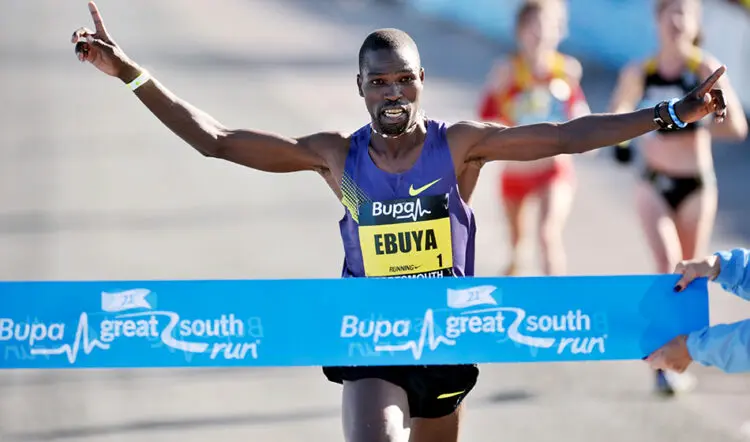
Ebuya against the clock
Some races are remembered for thrilling finishes, others are remembered because one athlete operates on a different level from everyone else.
That was the case when Joseph Ebuya produced his remarkable run in 2010.
The Kenyan arrived as reigning world cross country champion and quickly turned the elite race into a solo exhibition. Pulling away from the field early, Ebuya spent much of the contest racing only the clock and the course itself.
His finishing time of 45:16 improved the previous fastest 10-mile performance recorded on British soil by 40 seconds and established a standard that remains one of the defining benchmarks in the history of the event.
While many great races are remembered for dramatic narratives, Ebuya's achievement stands out for a different reason. It was simply an extraordinary display of endurance running.
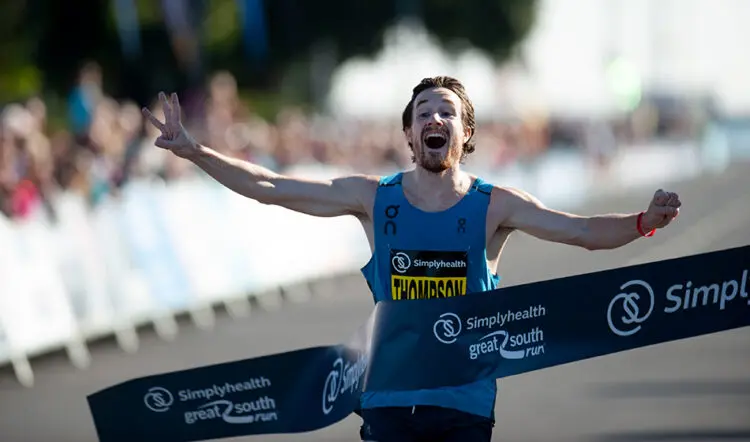
Thompson makes Portsmouth his own
Every long-established race eventually develops its specialists. Athletes who seem particularly suited to the course, conditions and occasion.
For the modern era of the Great South Run, that athlete was Chris Thompson.
Between 2016 and 2018 he won three consecutive titles, achieving something no athlete had previously managed on the South Coast.
The middle victory in 2017 perhaps best demonstrated why he became so successful in Portsmouth. Faced with strong winds and a tightly packed lead group, Thompson relied on patience and racecraft, waiting until the latter stages before making the decisive move. Afterwards he described it as a race that required careful thinking as much as physical strength.
His hat-trick remains one of the defining achievements by a British athlete in the event's history and helped establish him as one of the most successful runners ever to compete across the wider Great Run series.
A family affair: the McColgans' Portsmouth legacy
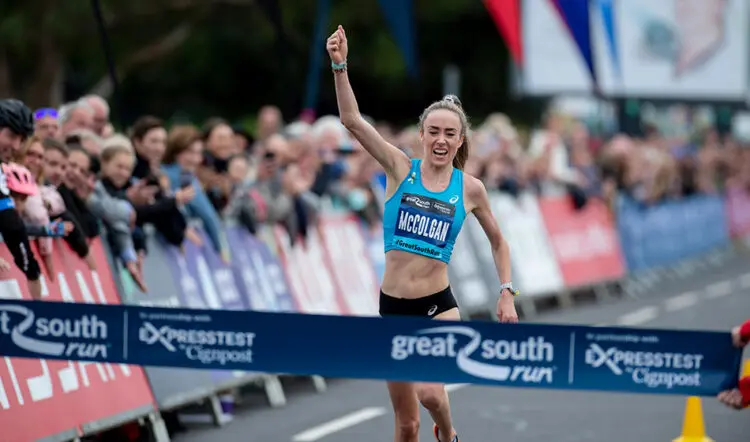
In the mid-1990s, Liz McColgan arrived in Portsmouth as one of Britain's leading distance runners. Already a world and Commonwealth champion, she added Great South Run victories in 1995 and 1997 to an increasingly distinguished career.
More than 20 years later, her daughter would elevate that connection to another level.
By the time Eilish McColgan crossed the line in 2021, she had not only secured a third Great South Run victory but broken the European best for 10 miles, removed Sonia O'Sullivan's long-standing course record and taken Radcliffe's British record as well.
The performance connected generations of elite women's distance running and ensured the McColgan name became synonymous with Portsmouth.
A race that reflects its city
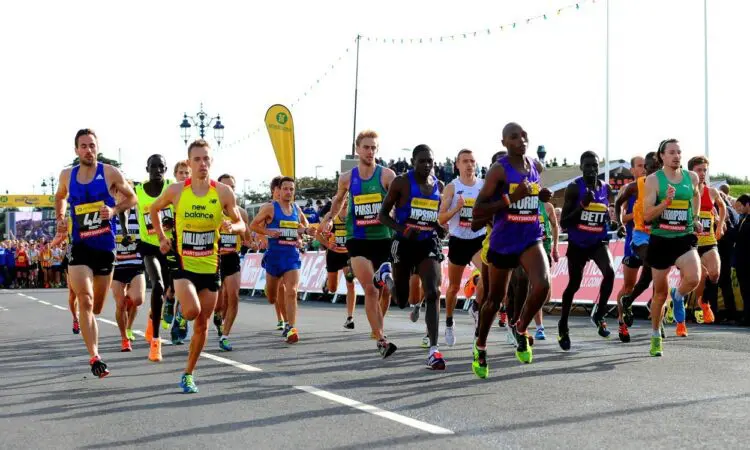
As Portsmouth celebrates a century of city status, the Great South Run remains one of the city's great annual spectacles.
Over the past 35 years, it has provided a stage for some of athletics' biggest names. The next chapter will be written this October, but the stories of Liz McColgan, Eilish McColgan, Radcliffe, Mo Farah, Joseph Ebuya and Chris Thompson ensure its place in British road running history is already secure.
The Great South Run returns to the South coast on Sunday with Verity Ockenden bidding to defend her title, with Andy Butchart looking to add the UKA 10 Mile Championships to his illustrious resume.
This year’s event will be streamed live on the GreatRunTV YouTube channel from 9:45am.
Access our magazine archive from 1945 to the present day here.