London 2012 champion Keshorn Walcott strikes world javelin gold

Walcott wins javelin gold in Tokyo as Pérez Hernandez impresses in the triple jump and Lake secures high jump final spot.
On a wet and unpredictable evening at the World Athletics Championships in Tokyo (September 18), the field events brought drama and surprises across the board.
In a men's javelin final full of unpredictable twists, it was experience that triumphed over expectation as Trinidad and Tobago’s Keshorn Walcott completed an impressive comeback. Thirteen years after winning Olympic gold as a teenager in London, the now 31-year-old launched a season’s best of 88.16m to take his first world title and re-establish his name on the global stage.
He said: "I have been waiting for this medal for 13 years. Olympic victory at the age of 19 was incredible. I could never beat it. But, at every world championships, I hoped that I was ready.
“I have been fighting for this but I was always off the podium. I even thought that the championships are not my competition. But I never gave up. Maybe some changes I made last year paid off. To change my coach was the best decision I have made recently.
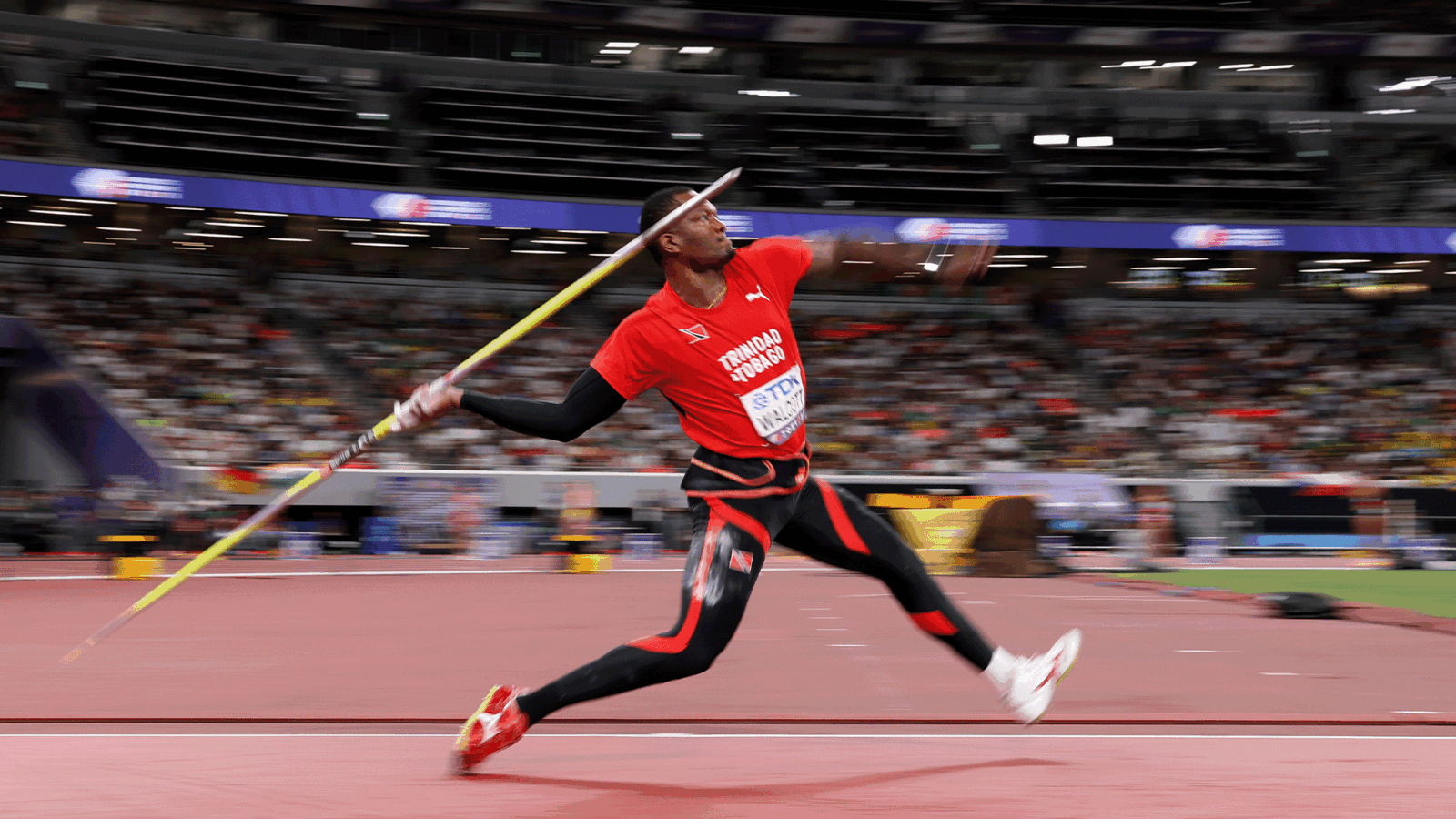
“We knew that the competition today would be tough. We were expecting a lot more throws. But at the end of the day the best throw wins. I'm happy it was mine.
"After the second round I was sure that a medal was very close. I just needed to put in some more effort and go get it. It's going to be crazy right now. My phone is going to be crazy. I cannot image what kind of celebration waits for me at home."
However many of the event’s biggest names faltered under the pressure, and the conditions.
Neeraj Chopra, the defending world champion, failed to make the top six cut, finishing a surprising eighth with 84.03m. Fellow Olympic gold medallist Arshad Nadeem also struggled, throwing 82.75m for 11th, well short of his qualifying mark from earlier in the week. Wet, slippery conditions may have played a role, with several athletes unable to replicate their recent form.
Julian Weber, the world leader in 2024 with 91.51m, also finished below expectations, placing sixth with 86.11m.
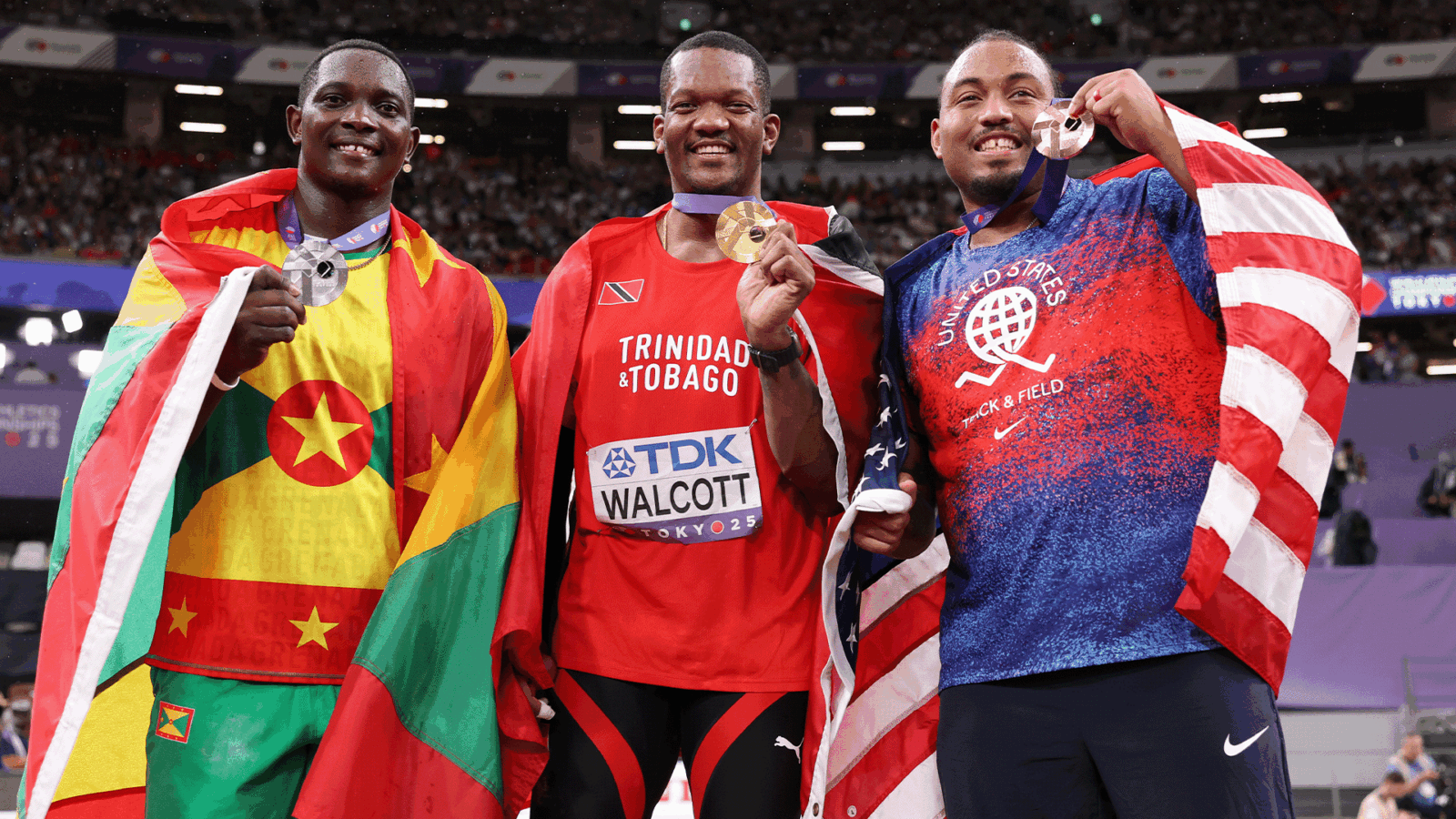
Meanwhile, Anderson Peters, Olympic bronze medallist in Paris, secured silver with a strong 87.38m effort, and Curtis Thompson of the USA stepped up with a surprise bronze, throwing 86.67m to reach the podium for the first time at a major championship.
The women’s triple jump final brought plenty of drama as Yulimar Rojas, the four-time world champion from Venezuela, made her long-awaited return to international competition. The Olympic champion hadn’t competed since March due to an Achilles injury, and there were questions about whether she could defend her title after such a long lay-off.
But it was Cuba’s Leyanis Pérez Hernandez who delivered the standout performance of the night. Her third-round jump of 14.94m put her firmly in the lead - a distance that she would replicate in her final jump and ultimately win her the gold.
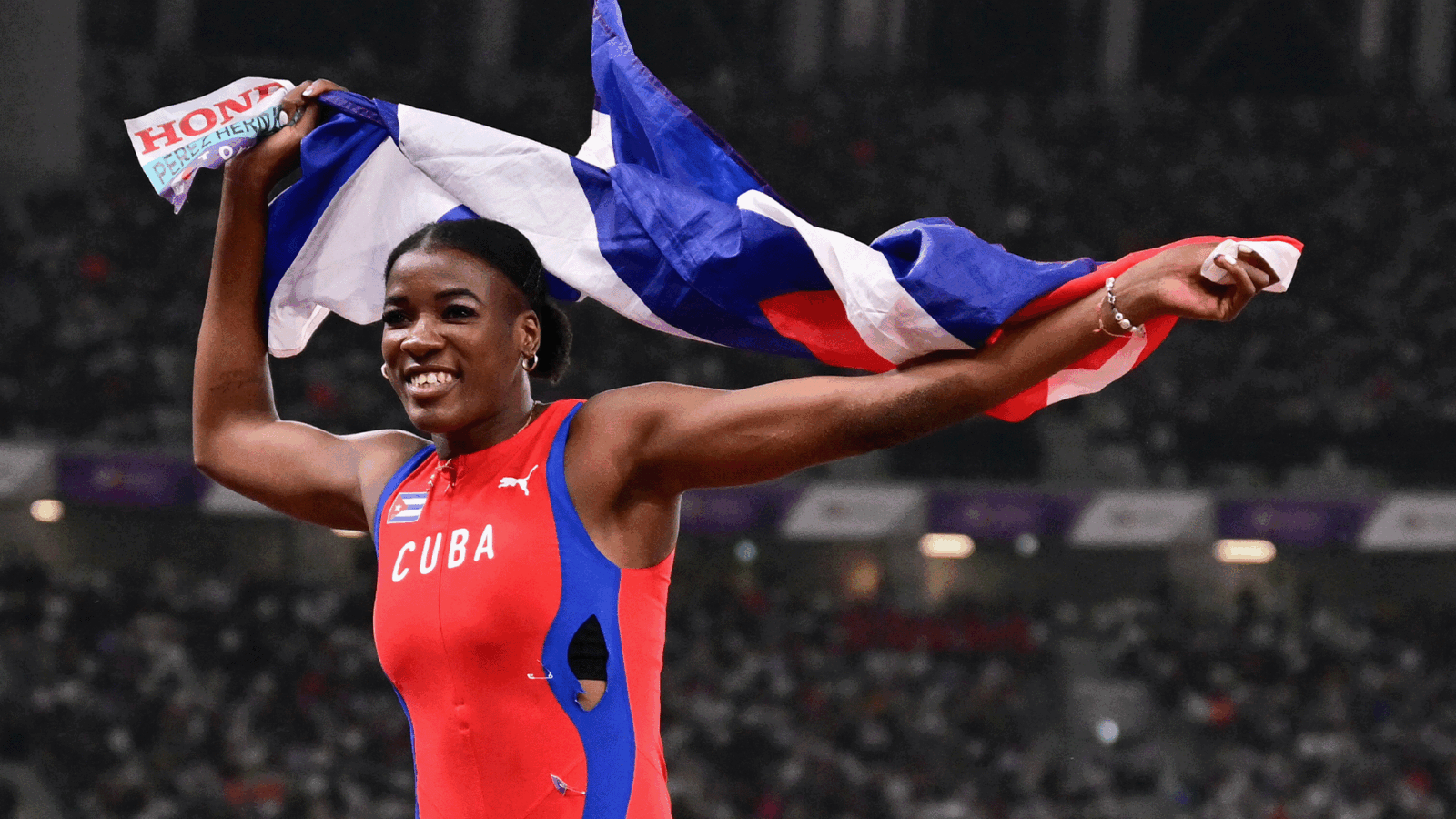
Behind her, Olympic champion Thea LaFond from Dominica was locked in a close contest for the remaining medals. She had jumped 14.76m, the same mark as Rojas, but was sitting third on countback. In the final round, LaFond produced her best of the night, 14.89m, to move into silver, just five centimetres short of the winning distance.
That bump dropped Rojas to bronze, in what was a rare occasion where she wasn’t able to deliver victory in a global final. Still, it marked a strong return for the Venezuelan in her first appearance since injury, while the title went to a new champion, and a major name for Cuba.
After qualification disappointment in Paris, Morgan Lake had a confident showing in the high jump qualification round in Tokyo. The British record-holder, who recently became the first British woman to clear 2.00m, eased through to the final with a first-time clearance at 1.92m, achieved just before heavy rain began to fall.
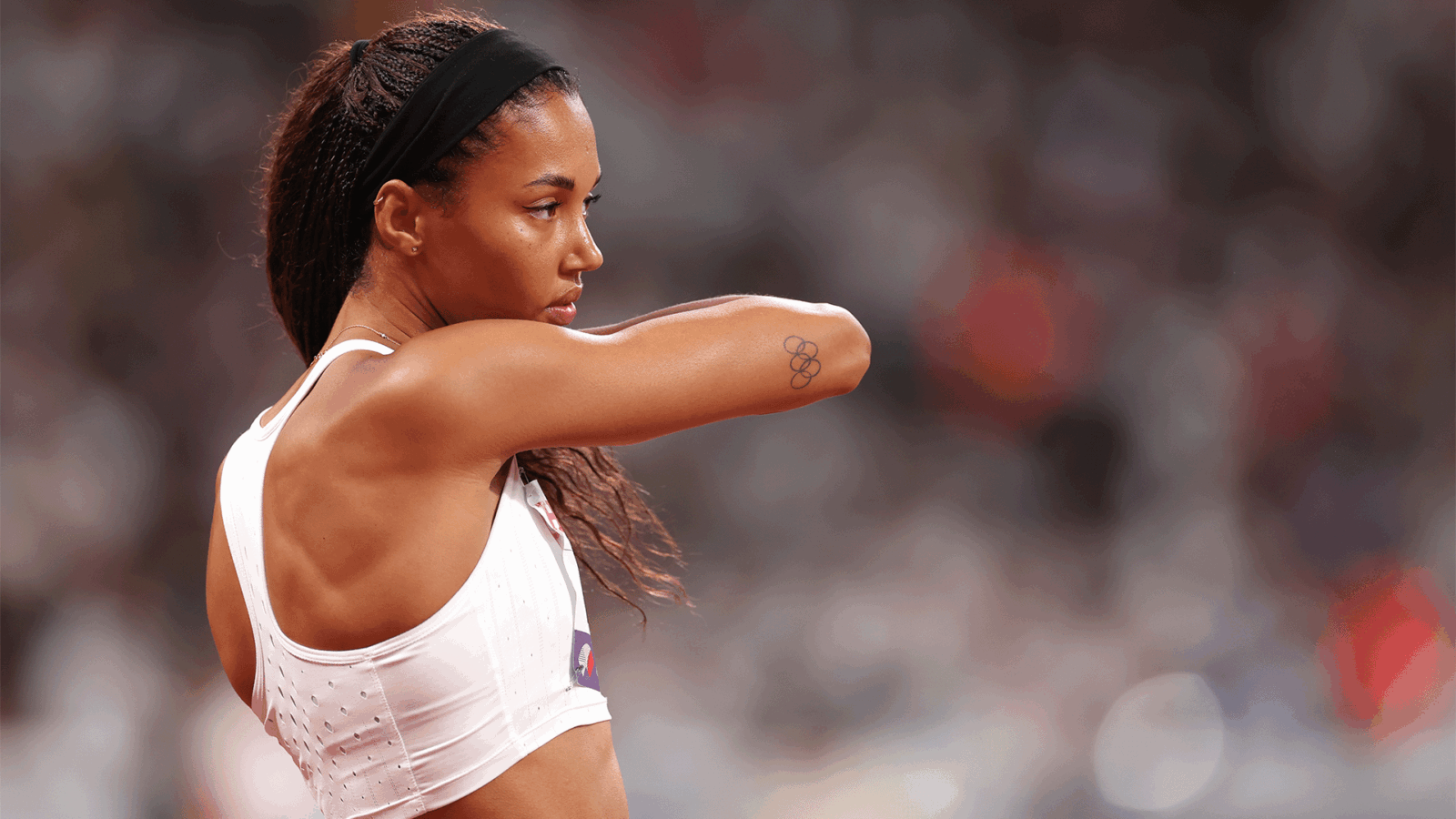
She said: "When I was looking at the start list yesterday and saw season's best of 2.00m, PB 2.00m, I was so excited. I had a really nice qualification tonight. It was higher than I usually do in qualification but I wasn't feeling any pressure, I knew I was in a good shape.
"After the Olympics not going my way last year I knew I had to change something to continue enjoying the sport. I get the best out of myself when I am enjoying it. I changed my set-up, moved to Sweden. It was almost like I started athletics again. It's different, the culture, the language, the way of training.
"I have done championships for 10 years now so I felt you have to change something in order not to get bored with the sport. I really feel in good shape. I think 2.00m is going to happen again."
Joining her in the final were both Yaroslava Mahuchikh, the defending world and Olympic champion, and Nicola Olyslagers, silver medallist from Paris, who also cleared 1.92m on their first attempts.