Cindy Sember: "It's time to move on"

After three Olympic Games and a British record, Cindy Sember has decided to step away from elite competition.
British sprint hurdler Cindy Sember has announced her retirement from athletics, bringing to an end a career that established her as one of the country's finest hurdlers.
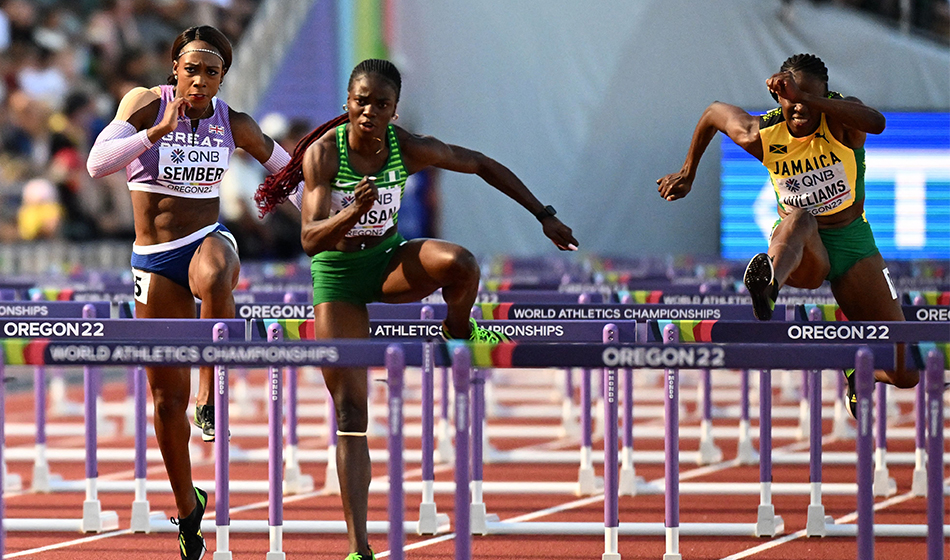
A three-time Olympian, Sember represented Great Britain & Northern Ireland at Rio 2016, Tokyo 2020 and Paris 2024, reaching the Olympic final in Rio where she narrowly missed out on a medal by just two hundredths of a second.
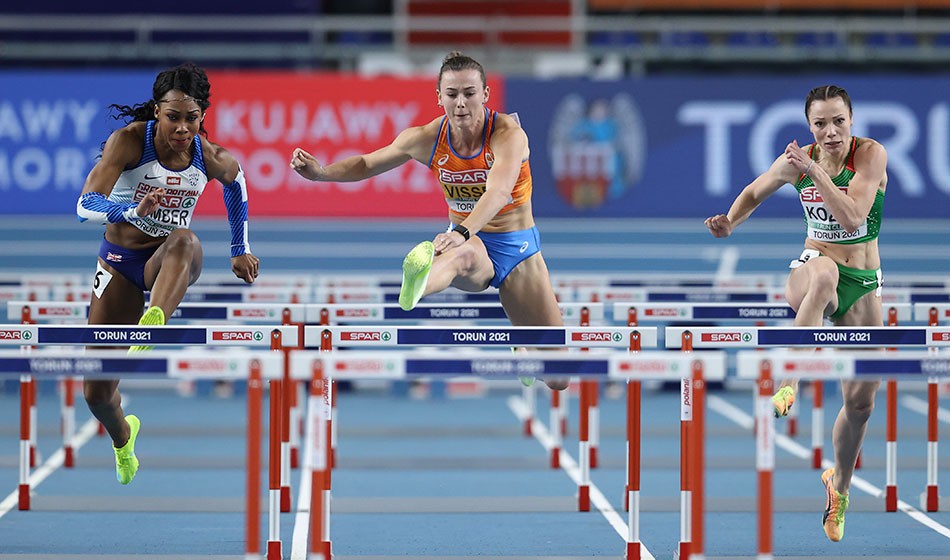
She went on to compete at multiple World and European Championships, breaking the British 100m hurdles record with 12.50 before winning Commonwealth bronze in Birmingham in 2022.
Throughout her career, Sember became known as much for her resilience as her performances. She battled back from a ruptured Achilles tendon that sidelined her for over a year after the Rio Olympics, before overcoming further setbacks, including persistent knee problems and arthritis.
Athletics has also been a family affair. Sember competed alongside her older sister, Tiffany Porter, herself a former world medallist and British record holder in the 100m hurdles. The sisters raced against each other for years, sharing one of the most memorable moments of their careers when they lined up together in the Olympic final in Rio. Sember would later break Porter's British record, keeping the national mark in the family.
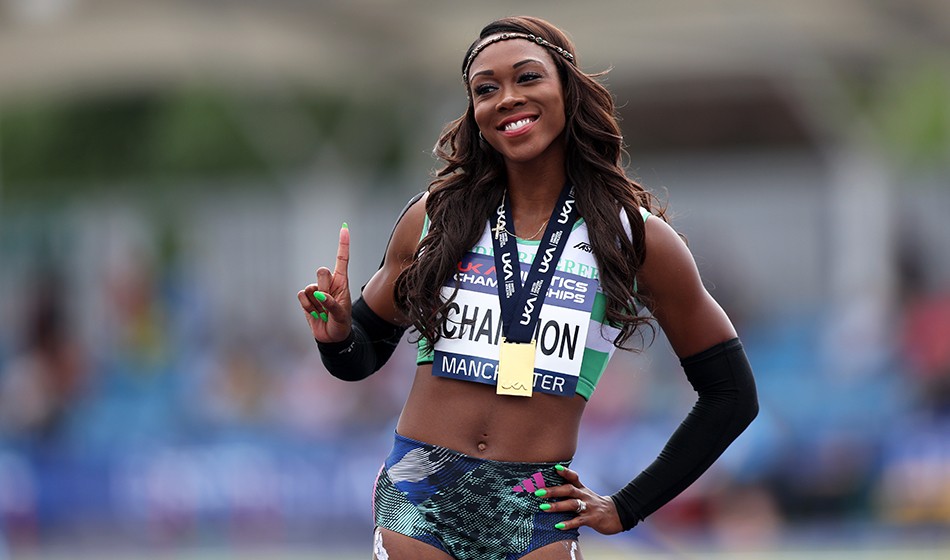
Now stepping away from elite competition at the age of 31, Sember says she leaves with no regrets.
Why is now the right time to retire?
It's been a combination of different factors. I took a break over the past two years to work out what was best for me. I was probably going to retire after the 2024 Olympics, but I wasn't quite ready when they finished.
Then my father became ill, so I took time away from athletics to be with him. Sadly, he passed away, but I'm grateful I was able to spend that time with him. It also gave me a different perspective on life and reminded me there are things that take priority over sport.
Athletics has been such an important part of my life, so it wasn't an easy decision. I've gone back and forth over it, but I believe it's the right one. My body has been through a lot over the years and it's getting tired. I still love the sport and I'll never feel any resentment towards it, but I think it's time to move on.
You missed an Olympic medal in Rio by just two hundredths of a second. How have you come to terms with such a fine margin?
I've thought about it many times over the years, but as a woman of faith I believe God had a plan. My worth has never been defined by a result. Whether I won that medal or not doesn't change who I am. Getting so close showed me I was one of the best in the world and capable of competing with anyone.
Of course it would have been wonderful to win a medal, but I'm proud of everything I achieved and I hope I can use those experiences to help other people pursue their own goals.
How did that performance in Rio shape the rest of your career?
Making that final at 21 gave me so much confidence. It proved I belonged at the highest level and that I could leave my mark on the sport. I suffered injuries afterwards, which slowed my progress, but that experience gave me belief whenever things became difficult. I always knew I could get back to competing with the best.
People told me I'd never return to the same level after my injuries, but I never believed that. I came back, broke the British record and achieved personal bests. Without those experiences early in my career, I might have retired much sooner.
Which achievements are you most proud of?
Breaking the British record is definitely at the top.
Winning bronze at the Commonwealth Games in Birmingham was also incredibly special. It was my first outdoor championship medal, it came in front of a home crowd and everyone sang Happy Birthday to me that weekend. It's a memory I'll always treasure.
Rio is another huge highlight. It was my first Olympics and performing the way I did, despite all the nerves, gave me confidence for the rest of my career.

Injuries were a significant part of your journey. What was your toughest challenge?
The Achilles rupture in 2017 was the hardest. It happened after Rio when I was excited about competing at the World Championships in London, and suddenly I was told I wouldn't race for 18 months.
Watching those championships while sitting in a doctor's office doing rehab was incredibly difficult. Looking back, though, it made me stronger. I became more resilient, improved my mentality and strengthened my body. I wouldn't choose to go through it again, but it helped shape me.
Later in my career I developed arthritis in my knee, which affected my performances, particularly in 2023. People only saw the results, but they didn't know what was happening behind the scenes. That season I spent most of my time training on a bike rather than the track and still ran 12.83 seconds. I'm really proud of that.
What does the next chapter in life look like for you?
I've officially launched my online fitness coaching, helping women with strength training, building muscle and improving their health. I'm also doing more public speaking, sharing my experiences and my faith, and I've been creating more content through YouTube and a podcast.
Those opportunities have been exciting and I'd like to continue growing them while helping other people.
What are the biggest lessons athletics has taught you?
Athletics teaches you so much about life. The discipline, resilience and determination I've developed have helped me deal with challenges outside sport as well. I've learned to make the most of every opportunity because you don't always realise how special those moments are until they're over.
Do you have any regrets about not winning a global medal?
There will always be a little bit of disappointment because I genuinely believed I was capable of winning medals. But I don't let that define me anymore. Happiness isn't something that comes from one achievement, it's a choice.
I'm proud of what I accomplished and grateful for the experiences I had. Missing out on one goal doesn't take away everything else I achieved.
What was it like competing against your sister in the same event?
I loved it. We were competitive and there were times we'd tell each other, "I'm going to beat you," but it was always in good spirit. We trained together, shared advice and wanted the best for each other. I wasn't hoping she'd fail, I just wanted to run faster.
Breaking her British record was a special moment, and she was happy that the record stayed in the family.
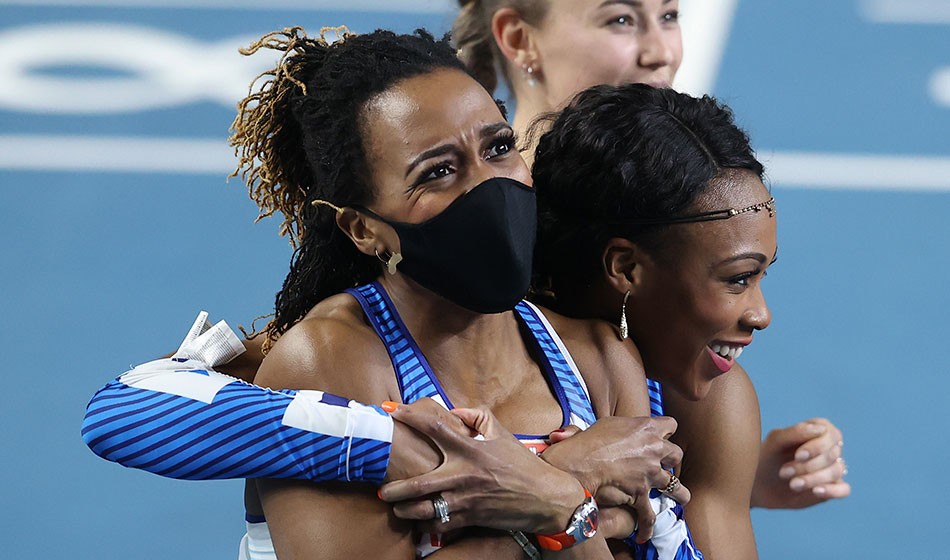
What was it like reaching an Olympic final together?
It was incredible. She's six-and-a-half years older than me and someone I've looked up to all my life. To compete together in an Olympic final was really special. We were able to warm up together and share that experience while still focusing on our own races.
There was healthy competition between us, but we always remembered we were sisters first. That's a memory we'll have forever.
Did your sister help you make the decision to retire?
Absolutely. Watching her thrive after retiring has been really encouraging. As athletes, we sometimes worry we won't know who we are outside the sport, but she's shown me there's a fulfilling life afterwards.
We've talked about it a lot and she's given me so much advice and confidence. Whatever decision I made, she always reminded me I was going to be fine.